
Fit for Duty: Physical Readiness in Security Careers

Table of Contents
Security guard fitness affects how long you can stay alert through hours on your feet and how safely you can respond if a person becomes aggressive. It also influences your risk of injuries across a security career. If you start preparing your body before you enrol in training, you can begin your first job already used to its physical demands.
How Much Does Physical Fitness Matter For A Security Officer?
Employers pay security officers to protect people and property for every hour of a roster. Security guard fitness shapes how well you can keep that up until you clock off.
Tiredness dulls attention. Guards who tire early have less alertness left for the hours that follow. If your cardiovascular fitness is good, you can stay focused late into your roster and notice small problems before they become incidents.
Some situations require physical intervention, which means using force to block, restrain, or escort a person to protect yourself or others. Strength and endurance help you keep control until the situation is safe, with less strain on your own body.
Across the 2000s, security officers lodged more workers’ compensation claims for violence than any other Australian occupation. If your body is prepared for physical confrontations, you have more ways to protect yourself when a person attacks.
What Are the Physical Demands of Security Roles?
Two security officers with the same licence can spend their working hours in very different ways. The role you choose changes the kinds of security guard fitness you need.
Full-time security officers and guards average 45 hours of work a week. Posts at entry points, front desks, and screening points involve hours of standing in one place. Your ability to stand for those hours without pain depends on endurance in your legs, back, and core. Rounds of a large site add up to long distances and repeated stair climbs. Leg strength and cardiovascular fitness let you finish each patrol with energy left to deal with whatever you find.
Crowd controllers monitor behaviour at venues such as pubs, clubs, concerts, and sporting events. A person who resists being escorted out can start a struggle. Muscle strength and balance help you restrain someone safely. Stamina keeps your judgement clear through hours of busy crowds.
Is There A Physical Fitness Test For The Security Industry?
Police and defence recruits complete fitness tests before they begin training, but there are no fitness tests for security licensing requirements. Regulators in every state and territory check that applicants have completed the approved training and are fit and proper people to be licensed, but in this case “fit” refers to your character, not whether you are physically fit.
However, the Certificate II in Security Operations includes practical assessment of physical skills. It requires you to demonstrate basic defensive techniques in three different threat situations and to escort and protect people and valuables. Your physical condition during assessment affects how comfortably you complete those tasks.
Employers can set their own fitness standards when they recruit security professionals. Protective service officers guard Commonwealth sites such as Parliament House and defence bases. Applicants for the role complete a physical competency assessment with the Australian Federal Police before they start.
Physical Fitness Tips to Become A Security Guard
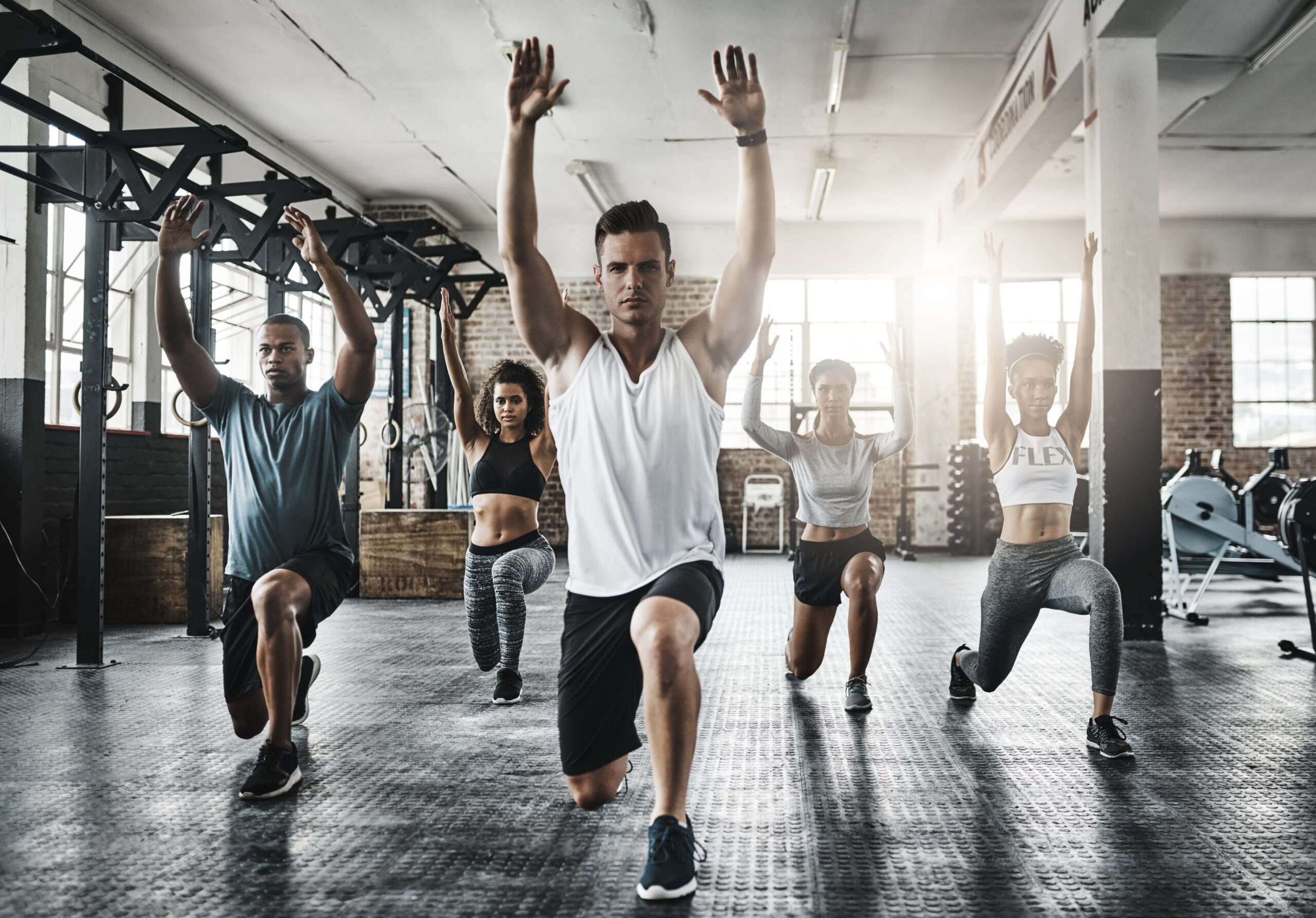
Security guard fitness grows from the same regular exercise that keeps any adult healthy. For security work, the choice of which strengths to prioritise comes down to the duties of the role you want.
Adults should aim for 150 to 300 minutes of moderate physical activity or 75 to 150 minutes of vigorous activity each week, with muscle strengthening on at least two days. Speak to your doctor before you begin a new fitness routine if you have a health condition. Set fitness goals linked to your target role and check your progress against them each week. Start at a level you can manage and increase the amount gradually.
Brisk walking, jogging, cycling, and swimming improve the cardiovascular fitness that foot patrols need for security guard fitness. Increase the length of your walks as your fitness grows.
Bodyweight exercises like squats, lunges, push-ups, and planks give you strength training you can do at home. Squats and lunges strengthen your legs for hours of standing and climbing stairs. Push-ups and planks develop the muscle strength in your arms, chest, and core that you use to block or control a person. Stretch your calves, hips, and lower back after each workout and after long periods of standing.
Enrol in Cert II in Security Operations to Begin Your Security Career
Security guard fitness prepares your body for security work. Training gives that fitness direction, with the judgement to know when calm words can ease a situation and when physical intervention is the safer choice for everyone involved.
By completing CPP20218 Certificate II in Security Operations you’ll be able to protect yourself and the people around. It opens a career in private security as a licensed unarmed guard or crowd controller. Enrol with us today and become someone who can keep other people safe.
FAQs
Is There An Age Limit For Security Guards?
Australian security licences have a minimum age of 18 years and no maximum age. Applicants over 18 complete the same training and suitability checks at any age.
Can Night Work Affect A Security Guard's Fitness?
Yes. Researchers have linked night work with shorter sleep and a higher risk of overweight and obesity.
Can Standing All Day Cause Health Problems?
Yes. Prolonged standing can cause neck and shoulder stiffness, back pain, swelling and cramps in the legs, and varicose veins. Standing in one spot for long periods has also been linked to cardiovascular disease.