Accidental Burns: First Aid For Minor Burns and Scalds

An accidental burn can happen to anyone, anywhere. Whether you’re cooking dinner, enjoying a hot cup of tea, or working with household chemicals, the risk of sustaining a burn injury is always present. Understanding how to provide first aid for burns and scalds can make the difference between a minor inconvenience and a serious medical emergency.
A burn is tissue damage to the skin caused by heat, chemicals, electricity, or radiation. Burns are painful injuries that affect thousands of Australians each year, with accidental burn injuries requiring medical care remaining a significant public health concern. While severe burns require immediate professional medical attention, knowing how to treat minor burns can prevent complications and promote faster healing.
Different Types of Burns
Burns are classified by their depth and which skin layers are affected. The skin consists of the epidermis (top layer of skin) and the dermis (deeper layer containing nerve endings, blood vessels, and hair follicles). Understanding these skin layers helps determine the severity of any accidental burn injury.
First-degree burns affect only the epidermis. These superficial burns are the most common type of burn and typically heal within 14 days without scarring. First-degree burns show redness, mild swelling, and pain. Sunburn is a classic example of this type of injury.
Second-degree burns go deeper into the dermis and are classified as partial thickness burns. These burns often develop blisters and are more painful than first-degree burns due to exposed nerve endings. Second-degree burns may require surgery if they cover a large surface area or fail to heal.
Third-degree burns are full thickness burns that destroy both the epidermis and the dermis. These full-thickness burns often appear white, black, or charred and may be painless due to destroyed nerve endings. Third-degree burns always require medical attention and may require surgery, including skin graft surgery, for healing.
Assessing Burn Severity

Before treating any burn, you must assess its severity. Several factors determine whether an accidental burn is minor or requires medical attention:
Size and location: Burns covering more than 10% of total body surface area in adults, or 5% in children, are considered major burns. Burns on the face, hands, feet, genitals, or over joints are serious regardless of size.
Depth of injury: While superficial burns and minor partial thickness burns can often be treated at home, full-thickness burns always require professional care. Any burn that appears white, charred, or leathery needs medical attention.
Cause of burn: Chemical burns and electrical burns always require medical evaluation, even if they appear minor. These burns can cause internal damage that isn’t visible.
Age of patient: Children under 5 years of age and adults over 60 are at higher risk of complications from burn injuries. Burns in these age groups often require medical attention even when they appear minor.
Associated injuries: If the person has suffered an inhalation injury from smoke or chemical fumes, or if there are other injuries present, emergency medical care is essential.
First Aid for Minor Burns
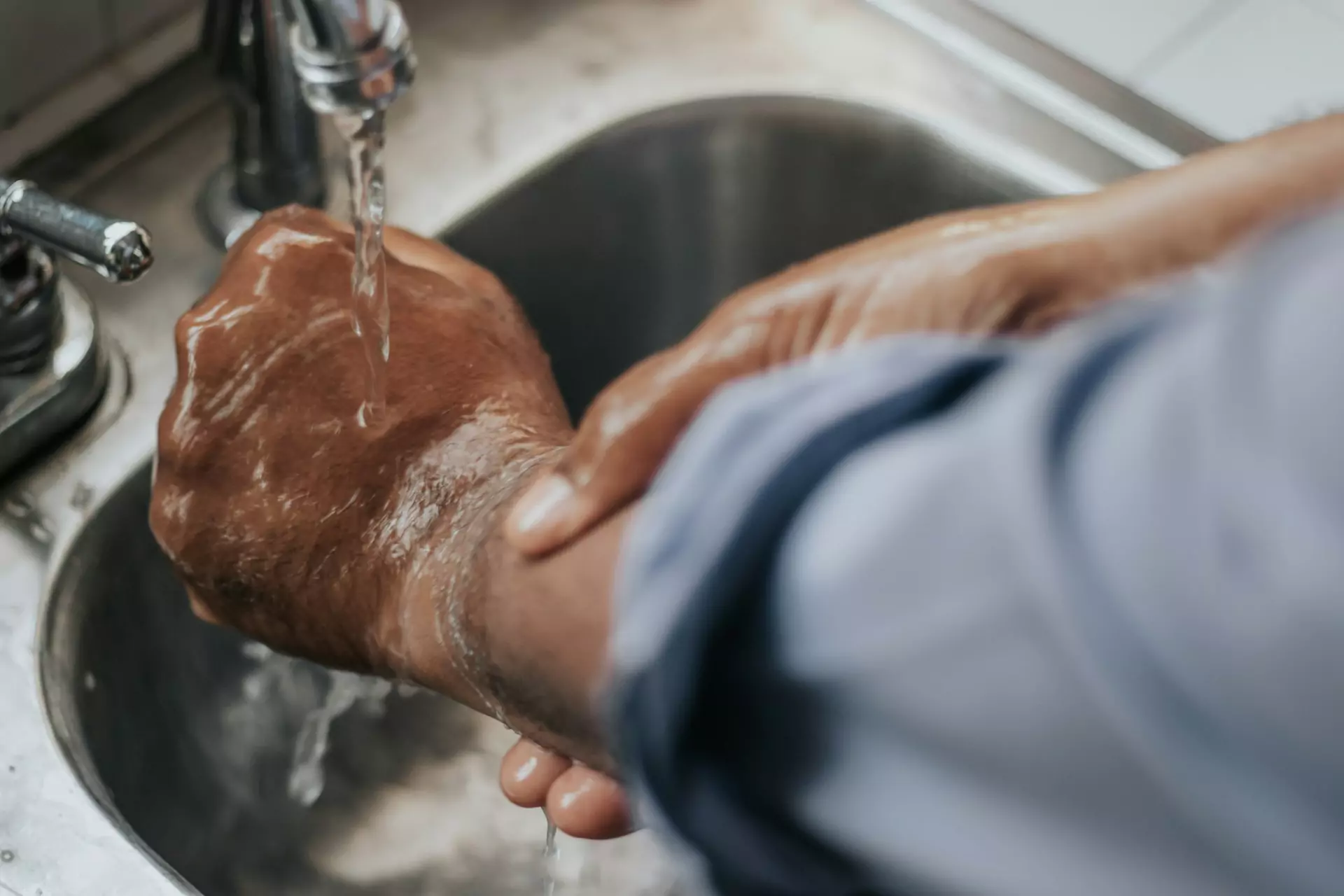
When treating minor burns, remember that quick action can improve outcomes for any accidental burn. Here’s your step-by-step approach:
Cool the burn: The most crucial step in burn care is to cool the burn with cool running water for 20 minutes. This stops the burning process, reduces pain, and minimises tissue damage. Use cool or lukewarm water, never ice, as extreme cold can cause additional injury to the burned skin. If running water isn’t available, use any clean, cool liquid.
Remove heat sources: Move the person from the source of the burn. For chemical burns, remove contaminated clothing while protecting yourself from exposure. Don’t attempt to remove clothing that’s stuck to the burn.
Assess the injury: Once you’ve cooled the burn, examine the affected area. Look for signs that indicate whether medical attention is needed, including the size, depth, and location of the burn wound.
Protect the area: After cooling, you may need to cover the burn to prevent infection. Use a clean, non-adherent dressing or sterile gauze. Avoid using cotton wool or adhesive bandages directly on the burn, as these can stick to the healing tissue.
Manage pain: Over-the-counter pain relief can help manage discomfort from minor burns. However, avoid applying topical anaesthetics or home remedies like butter or ice to the burn, as these can worsen the injury.
Monitor for complications: Watch for signs of infection, including increased redness, swelling, pus, or red streaking from the burn site. Any accidental burn showing worsening symptoms requires medical evaluation.
When Burns Require Medical Attention

While many minor burns heal well with home care, certain accidental burns require professional medical attention. You should seek care if:
The burn covers an area larger than the palm of your hand, involves the face, hands, feet, or genitals, or appears to be a full-thickness burn. Chemical burns and electrical burns always need medical evaluation, regardless of their apparent severity.
Children under 5 years of age should receive medical assessment for any burn beyond the most superficial. Similarly, elderly patients or those with compromised immune systems may need professional care for burns that would be considered minor in healthy adults.
If a blister larger than your thumb develops, if signs of infection appear, or if the burn doesn’t begin healing within 48 hours, medical attention is necessary. Severe burns that pose life-threatening risks require treatment from healthcare providers experienced in burn care.
In cases of major burns, don’t attempt home treatment. Call emergency services. Major burns may require treatment in a specialised burn unit, where teams including doctors, nurses, and physical and occupational therapy specialists provide comprehensive care.
Treating Specific Burn Types

Different types of accidental burns require specific treatment approaches to ensure optimal healing outcomes.
Scalds: Burns from hot liquids are extremely common, especially in domestic settings. When treating scalds, follow the same cooling protocol but be careful with clothing removal, as hot liquid may have soaked through fabric. Scalds often affect larger areas than other burns because liquids spread across the skin.
Chemical burns: These burns can continue causing damage even after exposure ends. Remove contaminated clothing while protecting yourself, then irrigate the area with copious amounts of water. Continue irrigation for at least 20 minutes, or until emergency services arrive. Different chemicals require different treatment approaches, so seek medical advice quickly.
Minor electrical burns: These burns often cause more internal damage than is visible on the surface. Even apparently minor electrical burns should receive medical evaluation, as damage to internal organs, bones, or the nervous system may have occurred. Electrical burns can also cause the heart rhythm to become irregular.
Treating Burns Over The Long Term

Proper long-term care is essential for any accidental burn to heal correctly and minimise scarring. During healing, protect the area from sun exposure, as newly healed skin is vulnerable to damage. Keep the area clean and moisturised, and avoid picking at peeling skin or popping blisters, which can lead to infection and permanent scarring.
For burns that required medical treatment, follow-up care may include regular dressing changes, scar management, and in some cases, physical and occupational therapy to maintain function and mobility. Some deeper burns may require surgery, including skin graft procedures, particularly if they fail to heal within expected timeframes.
The burn wound should show signs of healing within the first few days. New skin growth typically begins from the edges of the burn and works inward. Any burn that shows worsening redness, increasing pain, or signs of infection needs medical reassessment.
How to Prevent Burns
Preventing accidental burns is always preferable to treating them after they occur. In the kitchen, turn pot handles inward, use back burners when possible, and never leave cooking unattended. Test food and drink temperatures before consuming or serving to others. Keep hot liquids away from the edges of tables and counters, especially when children are present.
Store chemicals safely, always read labels before use, and wear gloves and protective equipment when handling potentially dangerous substances. Ensure your home has working smoke detectors and fire extinguishers, and develop an evacuation plan for your family.
Young children face particular risks from accidental burns, with children under 5 years showing higher rates of scald injuries from hot liquids. Childproof your home by installing safety latches on ovens, covering electrical outlets, and maintaining constant supervision around hot surfaces and liquids. Teach children about burn risks as soon as they’re old enough to understand.
Adults should also take precautions in workplaces where burn risks exist. Use personal protective equipment, follow safety protocols, and report hazardous conditions to supervisors.
FAQs
Do All Burn Injuries Leave A Scar?
No. First-degree burns, such as minor sunburns, typically heal completely without scarring within 14 days. However, deeper burns that affect the dermis (second and third-degree burns) are more likely to cause scarring.
What Is The Most Common Way Burns Occur In The Home?
Scalds from hot liquids are the most common type of accidental burn in domestic settings. This includes injuries from boiling water, hot tea or coffee, cooking oils, and steam. Kitchen-related burns account for the majority of household burn injuries, often occurring when people reach over hot surfaces, spill hot liquids, or accidentally touch hot cookware.
How Serious Does a Burn Wound Have To Be For A Skin Graft?
Skin grafts are typically required for full-thickness (third-degree) burns and some deep partial-thickness (second-degree) burns that fail to heal properly within 3-4 weeks. The decision depends on several factors: the burn’s depth and size, its location on the body, and whether the wound shows signs of healing naturally.